

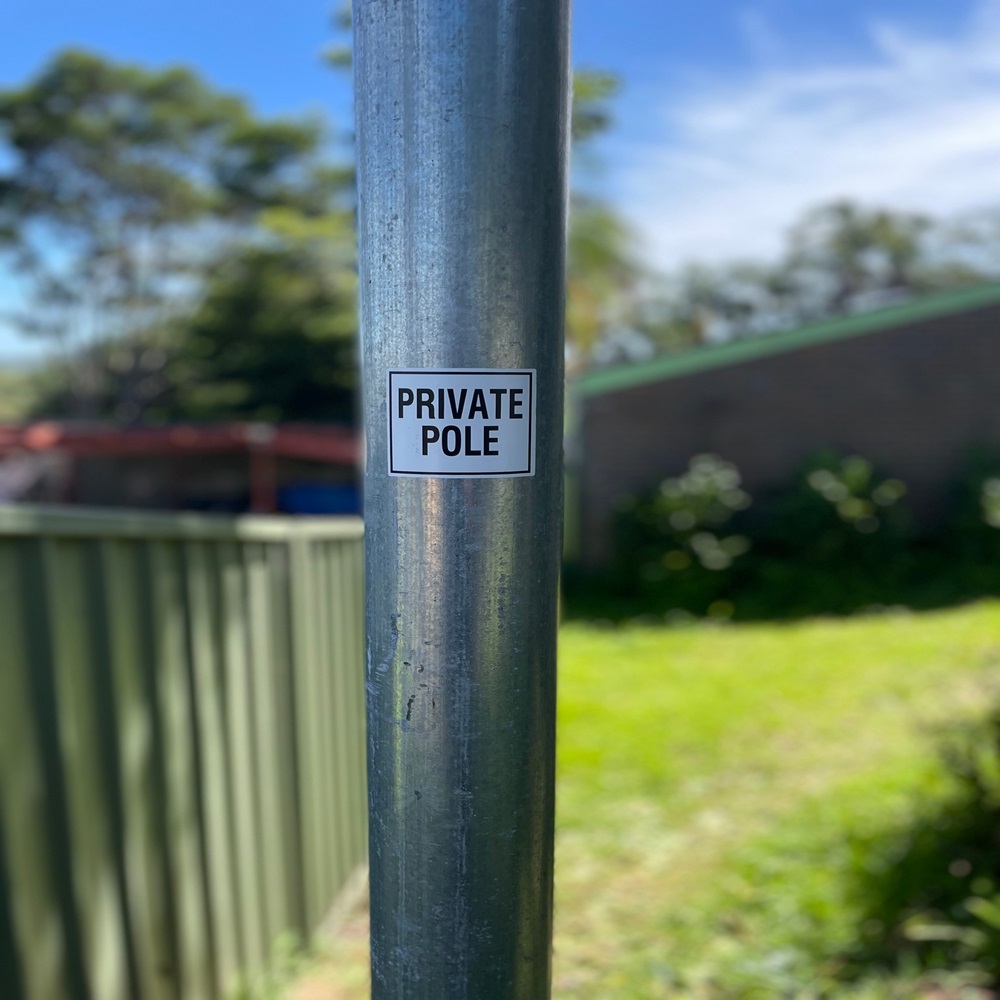
The Central Coast Property Owner’s Guide to Private Power Pole Replacements
That tall timber or steel pole standing on your property serves a vital function you probably rarely consider—until problems emerge. Private power poles carry electrical service from street mains to your buildings, representing critical infrastructure that property owners are legally responsible for maintaining and eventually replacing.
Understanding when and how to replace private poles protects your family’s safety, prevents costly emergency repairs, and ensures compliance with regulatory requirements that could otherwise result in power disconnection or liability issues.
Understanding Your Pole Ownership Responsibilities
Many Central Coast property owners discover their pole ownership responsibilities only when receiving defect notices from electricity distributors or when purchasing properties through conveyancing processes that reveal infrastructure obligations.
Private poles differ fundamentally from network poles owned by electricity companies. Whilst distributors maintain poles in streets and nature strips, poles within property boundaries typically belong to property owners along with all associated maintenance, repair, and replacement responsibilities.
Ownership determination sometimes confuses property purchasers. Poles positioned well inside property lines clearly qualify as private infrastructure. Those near boundaries may require clarification from electricity distributors who can definitively identify ownership based on their infrastructure records and connection configurations.
The NSW Government’s electrical compliance framework establishes clear expectations for private electrical infrastructure maintenance. Property owners bear legal responsibility ensuring their poles and associated wiring remain safe and compliant with Australian Standards throughout their service lives.
Historical property records occasionally document pole installations, providing valuable information about age and specifications. Reviewing these documents during property purchases helps new owners understand electrical infrastructure responsibilities from the outset rather than discovering obligations unexpectedly.
Critical Indicators Demanding Replacements
Several warning signs clearly indicate your private power pole requires professional assessment and likely replacement rather than continued service.
Visible structural deterioration represents the most obvious replacement trigger. Cracks in timber poles, particularly horizontal splits extending deep into wood, compromise structural integrity creating collapse risks during storms or high winds. Ground-level rot from prolonged moisture exposure weakens foundations even when upper pole sections appear sound.
Leaning poles indicate foundation failures or structural weakening requiring immediate attention. Even slight tilts suggest problems warranting professional evaluation. Severe leaning creates urgent safety hazards demanding prompt remediation before weather events potentially cause complete failures.
Pest damage accelerates pole degradation substantially. Termites and wood-boring beetles work internally where damage remains invisible until advanced stages compromise structural integrity. Properties in termite-prone areas require vigilant monitoring through regular professional inspections identifying pest activity before critical damage occurs.
Age alone justifies replacement consideration regardless of visible condition. Timber poles typically last thirty to fifty years depending on timber species, treatment quality, and environmental exposure. Poles approaching or exceeding these service life expectations warrant professional assessment even without obvious deterioration.
Electrical component failures sometimes necessitate complete pole replacement rather than simple repairs. Deteriorating insulators, damaged service cable connections, or inadequate earthing systems may prove uneconomical to repair separately, particularly when pole structure shows age-related degradation.
Regulatory Drivers and Defect Notices
Electricity distributors conduct periodic infrastructure inspections identifying safety concerns across their service territories. When they discover private pole deficiencies, they issue formal defect notices requiring remediation within specified timeframes.
These notices aren’t suggestions or recommendations—they represent legally enforceable requirements carrying serious consequences for non-compliance. Typical remediation periods range from thirty to ninety days depending on defect severity and immediate safety implications.
Critical safety issues receive abbreviated timeframes reflecting urgent risks. Severely deteriorated poles threatening imminent collapse, damaged electrical connections creating electrocution hazards, or inadequate clearances posing fire risks demand prompt remediation protecting both property occupants and neighbouring properties.
Less urgent concerns allow more generous timelines accommodating normal contractor scheduling and material procurement. However, even extended deadlines require prompt action. Engaging Level 2 electricians immediately upon receiving defect notices ensures adequate time for assessments, quotes, approvals, and scheduling without risking disconnection.
Failure to address defects within required periods can result in power supply disconnection until repairs are completed. Distributors maintain this authority ensuring electrical infrastructure safety regardless of property owner financial situations or scheduling preferences. Disconnection creates substantial disruption whilst potentially exposing owners to liability if incidents occur involving deficient infrastructure.
Material Options for Modern Replacements
Contemporary pole replacement offers several material choices, each presenting distinct advantages, limitations, and cost implications warranting careful consideration.
Treated timber poles remain popular combining proven performance with economical pricing. Modern preservative treatments provide excellent rot and insect resistance delivering reliable service for decades. Hardwood species like ironbark offer superior durability and strength compared to softer timbers, though at premium prices reflecting superior performance.
Treated pine represents a popular mid-range option balancing cost and longevity for typical residential applications. Properly treated pine poles provide thirty to forty years of reliable service when correctly installed and maintained, making them cost-effective choices for most Central Coast properties.
Galvanised steel poles have gained favour among property owners seeking enhanced aesthetics and extended service lives. Internal cable routing creates cleaner appearances compared to timber poles with external mounting hardware. Steel poles resist rot and insects indefinitely, though coastal salt exposure accelerates galvanisation degradation potentially requiring maintenance or eventual replacement.
Paint finishes allow steel poles to complement property colour schemes, providing aesthetic flexibility unavailable with timber alternatives. This customisation capability appeals to property owners prioritising visual integration of electrical infrastructure with overall property appearance.
Composite poles manufactured from fibreglass and epoxy resins represent premium options offering exceptional performance and longevity. These poles resist rot, rust, corrosion, fire, and insect damage indefinitely whilst providing service lives often exceeding seventy years with minimal maintenance requirements.
Light weight simplifies composite pole installation reducing equipment requirements and labour costs partially offsetting higher material expenses. Their exceptional durability and minimal maintenance demands often prove cost-effective over extended service lives despite premium initial pricing.
Professional Replacement Process Overview
Quality pole replacement follows systematic procedures ensuring safety, compliance, and optimal long-term performance protecting your investment.
Comprehensive assessment determines full project scope beyond obvious pole replacement. Professional electricians evaluate service cables, connection hardware, earthing systems, and associated equipment identifying all work required for complete, compliant installations rather than partial repairs creating ongoing issues.
Network operator coordination represents critical early planning elements. Supply must be isolated before work commences, requiring formal applications and scheduling with electricity distributors. Experienced Level 2 electricians manage these coordination requirements streamlining timelines and preventing delays from bureaucratic complexities.
Site preparation involves vegetation clearance, access establishment for equipment and materials, and underground service location. Depending on pole height and site characteristics, installation may require cranes or specialised lifting equipment demanding appropriate site access and working space.
Existing pole removal proceeds carefully preventing damage to underground services, neighbouring property, or landscape features. Professional contractors protect these interests through thorough pre-work assessments and appropriate extraction techniques minimising disruption whilst ensuring safe, efficient removal.
New pole installation demands precise positioning and secure foundation work. Concrete footings are sized based on pole height, expected loads including cable tensions and wind forces, and soil bearing capacity. Proper foundation installation ensures structural stability throughout anticipated service lives preventing movement or collapse.
Electrical connection work and testing conclude replacement projects. Service cables are transferred to new poles with appropriate tensioning and clearances maintained throughout spans. Earthing systems are verified through resistance testing, and all connections are thoroughly inspected before requesting supply restoration from network operators.
Cost Planning and Budget Considerations
Private pole replacement represents significant investments varying based on numerous factors affecting final pricing and overall project scope.
Material selection substantially influences total costs. Basic treated timber poles represent the most economical option, whilst premium composite poles command higher prices reflecting superior performance and longevity. Central Coast property owners typically invest between four thousand and ten thousand dollars for complete replacements including labour, materials, and associated electrical work.
Site accessibility dramatically affects labour costs and equipment requirements. Poles in easily accessible locations with good vehicle access cost substantially less to replace than those in difficult terrain, tight spaces, or locations requiring specialised access equipment. Slopes, soft soil, and dense vegetation all complicate installations increasing expenses.
Additional electrical work frequently accompanies pole replacements. Outdated service cables may require upgrading to current standards. Earthing systems might need enhancement. Meter boxes occasionally require relocation or replacement. Comprehensive quotes should itemise these components preventing unexpected cost escalations during projects.
Network operator charges cover disconnection services, inspections, and reconnection work. These fees vary between distributors and installation types but typically add several hundred to over a thousand dollars to total project costs. Experienced electricians incorporate these charges into comprehensive quotes providing accurate budget expectations.
Permit fees and council requirements add administrative costs in some jurisdictions. Local councils may require building permits or development approvals for pole installations depending on local policies and pole specifications. Professional contractors navigate these requirements securing necessary approvals as part of comprehensive project management.
Safety Imperatives During Replacement
Private pole work involves serious safety hazards demanding professional expertise and rigorous protocols protecting workers, property occupants, and neighbouring properties.
Overhead service cables carry lethal voltages even when poles appear damaged or deteriorated. Only qualified Level 2 electricians with proper network operator authorisation can safely work on these installations. According to NECA, unauthorised electrical work causes numerous serious injuries and fatalities annually across Australia.
Attempting DIY pole replacement risks electrocution, serious injury, property damage, and potential harm to others. Beyond personal safety risks, unauthorised work violates electrical regulations, invalidates insurance coverage, and creates legal liability far exceeding any perceived cost savings from avoiding professional services.
Temporary safety measures during replacement projects protect families and neighbours. Professional contractors establish exclusion zones around work areas, install warning signage, and coordinate supply isolation eliminating electrical hazards. They also ensure work sites remain secure overnight if projects span multiple days preventing unauthorised access.
Post-installation safety includes proper vegetation management around poles and overhead cables. Trees and large shrubs should be planted maintaining adequate clearances from service lines preventing future contact creating fire risks or electrical faults. Ongoing vegetation control represents critical ongoing maintenance responsibilities.
Maintenance Extending Pole Service Life
Proactive maintenance between replacements extends pole service lives whilst identifying developing issues before they necessitate emergency interventions or create safety hazards.
Annual visual inspections check for obvious damage, leaning, deterioration, or electrical component problems. Property owners should examine poles after severe weather events when damage risks increase substantially. Simple visual checks identify many developing issues early when simple repairs prevent premature replacement.
Professional inspections every five years provide thorough assessments by qualified electricians. These examinations evaluate structural integrity, electrical connections, earthing system quality, and compliance with current standards. Documentation from professional inspections establishes maintenance due diligence whilst identifying corrective actions preventing serious problems.
Vegetation management requires consistent attention throughout pole service lives. Keeping grass and weeds cleared from pole bases reduces moisture retention accelerating timber rot. Pruning trees and shrubs maintains safe clearances from overhead service lines preventing electrical faults, fire risks, and service interruptions.
Documenting pole condition and maintenance history creates valuable records supporting property value and liability protection. Photographs, inspection reports, and repair receipts establish maintenance due diligence valuable during property sales and providing baselines for tracking deterioration rates informing replacement timing decisions.
Selecting Your Replacement Contractor
Pole replacement demands specialised expertise justifying careful contractor selection protecting your investment and ensuring compliant, safe installations.
Level 2 ASP accreditation represents the fundamental credential legally authorising network-connected work. Verify candidates hold current accreditation through network operator registers rather than accepting verbal assurances. Legitimate contractors readily provide accreditation numbers and welcome credential verification.
Relevant experience with similar projects provides practical advantages. Electricians with extensive residential pole replacement backgrounds bring insights and efficiencies reducing costs and timelines compared to contractors primarily working in different specialties. Request examples of completed projects and client references you can contact.
Local knowledge delivers value generic qualifications cannot replicate. Electricians familiar with Central Coast conditions understand soil characteristics, weather patterns, and specific network operator requirements varying across the region. This knowledge streamlines approvals and prevents common pitfalls delaying projects.
Insurance verification protects all parties. Confirm contractors maintain comprehensive public liability and workers compensation coverage meeting ASP scheme requirements. This protection safeguards property owners from liability whilst demonstrating contractor financial stability and professionalism.
Transparent communication indicates how projects will proceed. Quality electricians explain technical requirements clearly, provide itemised quotes disclosing all costs, and set realistic expectations for timelines and disruptions. They welcome questions and provide thorough answers demonstrating genuine expertise.
Moving Forward Confidently
Understanding private power pole replacement empowers Central Coast property owners to recognise when replacements become necessary and select qualified contractors delivering safe, compliant outcomes protecting families and investments.
Niche Electrical and Solar brings fifteen years of electrical expertise to every private pole replacement across the Central Coast. Their fully accredited Level 2 team combines technical excellence with genuine customer commitment ensuring your electrical infrastructure meets all safety and regulatory requirements.
Beyond pole replacements, their comprehensive service portfolio addresses complete electrical infrastructure requirements. From switchboard upgrades and three-phase power installations to metering solutions and overhead services, they deliver integrated solutions. Discover their full capabilities on their services page.
Don’t wait for pole failures or defect notices forcing rushed replacements under pressure. Contact Niche Electrical and Solar today at 0404 285572 or through their contact page for professional pole assessment and expert replacement services. Their experienced team provides the technical capability, regulatory knowledge, and customer service Central Coast property owners deserve for critical electrical infrastructure work.
