

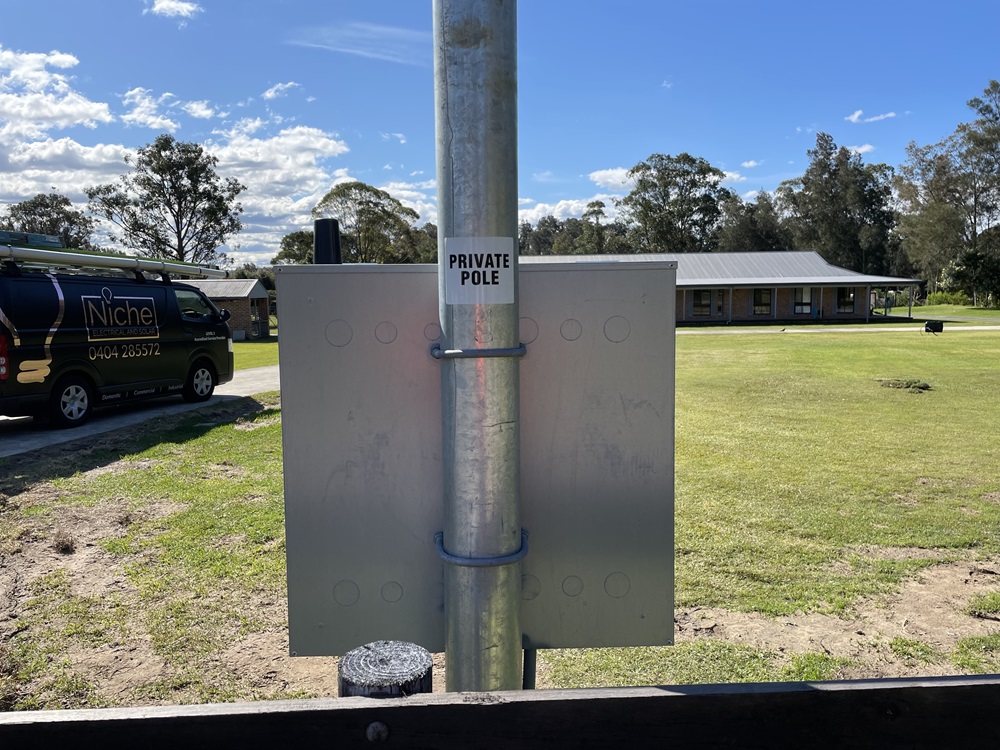
Private Power Pole Replacement: Essential Information for Central Coast Property Owners
Standing tall on properties across the Central Coast, private power poles serve a critical function that many homeowners overlook until problems emerge. These structures carry electrical service from street mains to buildings, making them essential components of your property’s power infrastructure.
Unlike network poles owned by electricity distributors, private poles belong to property owners—along with all responsibility for their maintenance, safety, and eventual replacement. Understanding these obligations helps Central Coast residents avoid costly emergencies whilst ensuring family safety and legal compliance.
Identifying Private Power Poles
Determining pole ownership sometimes confuses property owners. Private power poles typically stand within your property boundary and support overhead service lines running to your building. They often connect to distributor-owned network poles located in streets or nature strips.
Physical characteristics can help identify private poles. They usually stand shorter than network poles and carry fewer cables. Network poles typically display identification numbers from electricity distributors, whilst private poles generally lack such markings.
Location provides another clear indicator. Poles positioned well inside property lines, particularly those serving buildings set back from streets, almost certainly qualify as private infrastructure. When doubt exists, electricity distributors can clarify ownership during property inspections or through their customer service channels.
Property deeds and historical records may document private pole installations. Reviewing these documents during property purchases helps new owners understand their electrical infrastructure responsibilities from the outset.
Common Replacement Triggers
Several factors prompt private power pole replacement across the Central Coast. Age represents the most fundamental consideration. Timber poles, the traditional choice for residential properties, typically last thirty to fifty years depending on timber species and treatment quality. Hardwood poles like those crafted from treated pine or ironbark offer longer service lives than softer timber varieties.
Structural deterioration demands replacement regardless of pole age. Ground-level rot affects timber poles exposed to moisture, particularly in areas with poor drainage. This decay weakens structural integrity, creating collapse risks during storms or high winds. Regular inspections help identify deterioration before failures occur.
Pest damage accelerates pole degradation. Termites and wood-boring beetles compromise timber structure, often working internally where damage remains invisible until advanced stages. Properties in termite-prone areas require particularly vigilant monitoring of timber pole conditions.
Weather-related damage from severe storms occasionally necessitates pole replacement. Lightning strikes, falling branches, or extreme winds can crack poles or damage electrical components beyond economical repair. The Central Coast’s exposure to coastal weather systems makes such incidents a real consideration.
Regulatory Requirements and Defect Notices
The NSW Government’s electrical compliance framework establishes clear expectations for private electrical infrastructure maintenance. Property owners bear legal responsibility for ensuring their poles and associated wiring remain safe and compliant with Australian Standards.
Electricity distributors conduct periodic inspections identifying infrastructure defects. When they discover private pole issues, they issue defect notices requiring remediation within specified timeframes. These notices aren’t merely suggestions—they represent legally enforceable requirements.
Typical defect notice timelines range from thirty to ninety days depending on defect severity. Critical safety issues receive shorter remediation periods, whilst less urgent concerns allow more time for corrective action. Failure to address defects within required timeframes can result in supply disconnection until repairs are completed.
Responding promptly to defect notices protects your interests. Engaging qualified Level 2 electricians immediately upon receiving notices ensures adequate time for assessments, quotes, and scheduling without risking disconnection. Proactive response also demonstrates good faith should any timeline disputes arise.
Pole Material Options
Contemporary pole replacement offers several material choices, each presenting distinct advantages and considerations. Treated timber remains popular due to affordability and proven performance. Modern timber treatments provide excellent resistance to rot and pest damage, delivering decades of reliable service when properly installed.
Galvanised steel poles have gained favour among Central Coast property owners. These poles offer superior durability and pest resistance compared to timber. Their internal cable routing creates cleaner aesthetics, and they can be painted to complement property colour schemes. However, coastal environments accelerate galvanisation degradation, potentially reducing service life in seaside locations.
Composite poles represent the newest technology in residential power infrastructure. Manufactured from epoxy resin and fibreglass, these poles resist rot, rust, pests, and fire. Their light weight simplifies installation whilst their exceptional durability promises service lives exceeding seventy years. Although initially more expensive, their longevity and minimal maintenance requirements offer compelling long-term value.
Concrete poles, whilst common for network infrastructure, see limited residential application due to weight, aesthetics, and cost factors. They do offer unmatched durability and fire resistance, making them worth considering for specific applications.
The Replacement Process
Professional pole replacement follows systematic procedures ensuring safety and compliance. Initial assessment determines the full scope of work required. Beyond the pole itself, electricians evaluate service cables, connection points, earthing systems, and any associated equipment like service fuses or isolators.
Coordination with electricity distributors represents a critical early step. Supply must be isolated before work commences, requiring formal applications and scheduling with network operators. Experienced Level 2 electricians manage these coordination requirements, streamlining timelines and preventing delays.
Site preparation involves clearing vegetation and ensuring access for equipment and materials. Depending on location and pole height, installation may require cranes or specialised lifting equipment. Proper site preparation prevents complications during actual installation work.
Removal of the existing pole must be executed carefully to avoid damaging underground services or neighbouring
