

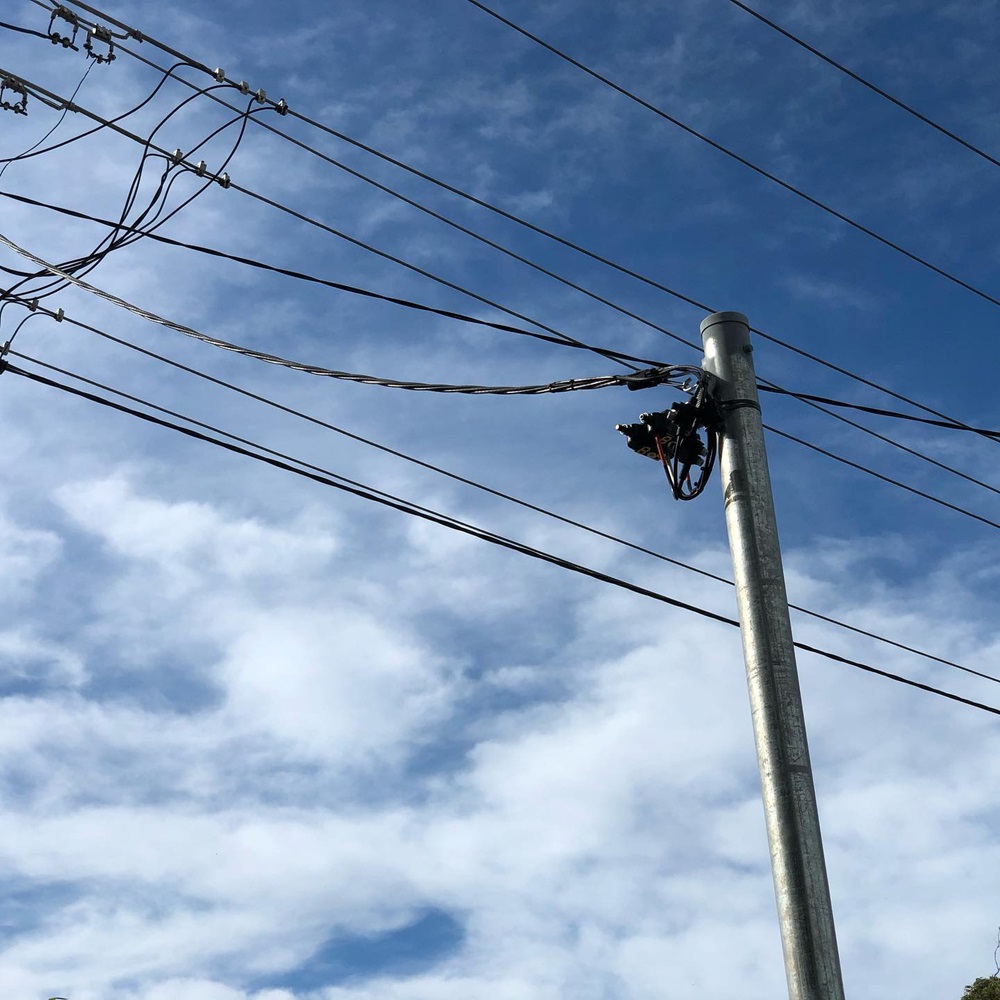
Private Power Pole Installation: A Comprehensive Guide for Central Coast Properties
Establishing electrical infrastructure on Central Coast properties sometimes requires private power pole installation, a specialised undertaking that connects your building to the broader distribution network. Whether you’re constructing a new home on vacant land, adding outbuildings to existing properties, or relocating service entry points, understanding private pole requirements ensures successful project outcomes.
This critical infrastructure demands professional expertise, careful planning, and strict compliance with regulatory frameworks that protect both property owners and the broader electrical network.
Understanding Private Power Poles
Private power poles are electrical infrastructure elements installed within property boundaries to support overhead service cables running from street mains to buildings. These structures belong to property owners rather than electricity distributors, creating ongoing maintenance and safety responsibilities.
Properties requiring private poles typically share common characteristics. Homes set significantly back from streets often need poles to bridge distances between network infrastructure and buildings. Rural and semi-rural properties with long driveways almost invariably require private poles for overhead service delivery.
Alternative power delivery methods exist in some circumstances. Underground services eliminate visible poles and overhead cables, offering aesthetic advantages and reduced storm damage risks. However, underground installations typically cost substantially more than overhead arrangements and present practical challenges in certain soil conditions or where services must cross driveways or landscaping.
The choice between overhead and underground services involves balancing costs, aesthetics, site conditions, and local council requirements. Some areas mandate underground services for new developments, whilst others permit overhead installations subject to appropriate clearances and safety considerations.
Regulatory Framework and Approvals
Private pole installations operate within comprehensive regulatory frameworks administered by multiple authorities. The NSW Government’s electrical compliance system establishes fundamental safety and technical requirements that all installations must meet.
Electricity distributors impose additional technical standards specific to their networks. Ausgrid, Endeavour Energy, and Essential Energy each maintain detailed specifications covering pole types, heights, conductor specifications, and installation methods. These requirements ensure network compatibility whilst maintaining grid reliability and safety.
Local councils exercise planning oversight affecting pole locations and types permitted within their jurisdictions. Development applications for new constructions typically address electrical infrastructure, but standalone pole installations may require separate approvals depending on council policies and pole specifications.
Level 2 Accredited Service Provider credentials represent mandatory requirements for anyone installing private poles. This accreditation demonstrates the specialised knowledge and network operator authorisation necessary for safe, compliant installations connecting to distribution infrastructure.
Site Assessment and Planning
Successful pole installations begin with comprehensive site assessments. Professional electricians evaluate numerous factors affecting installation feasibility, costs, and technical requirements. Terrain characteristics, soil conditions, existing vegetation, and building locations all influence pole positioning and installation methods.
Underground service locations require identification before excavation commences. Water pipes, sewer lines, telecommunications cables, and gas mains may occupy areas where poles or footings must be installed. According to the National Electrical and Communications Association, contacting relevant authorities for service location prior to digging prevents expensive damages and dangerous incidents.
Clearance requirements dictate minimum distances between poles, overhead conductors, and various objects. Service cables must maintain specified heights above ground, driveways, and other surfaces. Horizontal clearances from buildings, trees, and property boundaries ensure safety whilst facilitating maintenance access.
Future requirements deserve consideration during initial planning. Will the property eventually need additional outbuildings requiring service extensions? Might three-phase power become necessary for workshop equipment or electric vehicle charging? Addressing these questions during initial design allows cost-effective accommodation of future needs.
Pole Material Selection
Several pole material options suit Central Coast installations, each offering distinct advantages. Treated timber poles represent traditional choices combining proven performance with economical pricing. Modern preservative treatments provide excellent resistance to rot and insect damage, delivering service lives typically ranging from thirty to fifty years depending on timber species and environmental exposure.
Hardwood species like ironbark offer superior durability and strength compared to softer timbers. Whilst more expensive initially, hardwood poles often prove cost-effective over their extended service lives. Treated pine represents a popular mid-range option balancing cost and performance for typical residential applications.
Galvanised steel poles have gained popularity among Central Coast property owners seeking enhanced aesthetics and durability. These poles route cables internally, creating cleaner appearances compared to timber poles with external cable mounting. Steel poles resist rot and insects indefinitely, though coastal environments accelerate galvanisation degradation, potentially requiring periodic maintenance or eventual replacement.
Composite poles manufactured from fibreglass and epoxy resins represent premium options offering exceptional durability and minimal maintenance. These poles resist rot, rust, corrosion, fire, and insect damage indefinitely. Their light weight simplifies installation whilst their longevity often exceeds seventy years. Although commanding higher initial costs, composite poles deliver compelling long-term value through reduced maintenance and extended service lives.
Installation Process Overview
Professional pole installation follows systematic procedures ensuring safety and compliance. Initial steps include securing all necessary approvals from councils, network operators, and other authorities with jurisdiction over the work. Experienced Level 2 electricians manage these approval processes, preventing costly delays or compliance failures.
Site preparation involves clearing vegetation, establishing access for equipment and materials, and identifying underground service locations. Depending on pole height and site characteristics, installation may require cranes, excavators, or other specialised equipment for safe, efficient execution.
Foundation work provides structural integrity supporting poles throughout their service lives. Concrete footings are sized based on pole height, expected loads including cable tensions and wind forces, and soil bearing capacity. Proper foundation installation prevents pole movement or collapse during storms or over time.
Pole erection requires careful vertical alignment and secure foundation connection. Poles must stand truly vertical in both planes, with appropriate embedment depth ensuring stability. Professional contractors verify alignment through precision levelling before concrete sets, preventing permanent installation errors.
Electrical connection work begins after pole installation completes. Service cables are tensioned appropriately between network poles and private poles, maintaining required clearances throughout their span. Connections at pole tops require specialised hardware ensuring both electrical continuity and mechanical strength.
Earthing systems provide essential safety protection. Earth stakes are driven to appropriate depths near pole bases, with connections verified through resistance testing. Proper earthing ensures fault currents flow safely to ground, enabling protection devices to operate correctly during electrical faults.
Height and Clearance Requirements
Minimum height requirements ensure adequate conductor clearances above ground and other surfaces. Australian Standards generally require service conductors to maintain at least 4.5 metres above ground level, though specific situations may demand greater heights.
Clearances above driveways, paths, and vehicle access areas require particular attention. Service cables over driveways typically need 5.2 to 5.5 metres clearance accommodating tall vehicles including delivery trucks and emergency vehicles. Inadequate clearances create serious safety hazards and regulatory non-compliance.
Horizontal clearances from buildings ensure maintenance access and fire safety. Conductors passing near buildings must maintain specified distances preventing accidental contact or fire spread risks. Window and door clearances receive special attention preventing dangerous situations where conductors could be contacted from inside buildings.
Vegetation clearances protect both safety and service reliability. Trees and large shrubs should be positioned or trimmed ensuring they cannot contact service cables under any weather conditions. Wind movement, tree growth, and potential falling branches all require consideration during site planning.
Coordination with Network Operators
Electricity distributors play crucial roles in private pole installations. Their networks must physically connect to private infrastructure, requiring formal applications, technical reviews, and eventual connection work performed or witnessed by distributor personnel.
Application processes vary between network operators but generally require detailed site information, proposed pole locations, electrical load estimates, and compliance declarations. Complete, accurate applications progress smoothly through approval workflows, whilst deficient submissions face delays requiring resubmission.
Technical reviews assess whether proposed installations meet network operator standards and won’t adversely affect grid reliability or neighbouring properties. Reviewers examine pole specifications, conductor types and sizing, earthing arrangements, and overall installation design.
Connection scheduling coordinates final linkage between private infrastructure and distribution networks. Network operators must isolate existing services, witness or perform actual connections, and energise new installations. This coordination requires advance scheduling and compliance with operator timeframes.
Cost Factors and Budgeting
Private pole installation costs reflect numerous variables making universal price quotations impossible. Basic installations with single timber poles in accessible locations might cost four to seven thousand dollars, whilst complex installations with multiple poles, difficult access, or premium materials can exceed fifteen thousand dollars.
Pole quantity significantly influences costs. Properties requiring multiple poles to span long distances or serve multiple buildings naturally incur higher expenses than single-pole installations. Each pole requires materials, foundation work, and installation labour.
Site accessibility affects labour costs substantially. Poles accessible to standard vehicles and equipment cost less to install than those requiring difficult terrain navigation, confined space working, or extensive temporary access construction. Steep slopes, soft soil, and vegetation density all influence installation complexity and costs.
Additional electrical work often accompanies pole installations. Consumer mains installations, switchboard upgrades, and metering equipment all add to total project costs. Comprehensive quotes should itemise these components, providing clear expense visibility and preventing budget surprises.
Network operator charges cover connection services and inspections. Disconnection fees, reconnection charges, and application processing costs vary between distributors and installation types. Experienced electricians incorporate these charges into comprehensive project quotes.
Aesthetic Considerations
Visual impact concerns many property owners contemplating pole installations. Strategic pole placement minimises visual prominence whilst satisfying technical requirements. Positioning poles behind landscaping, aligning them with fence lines, or situating them away from primary viewing angles reduces aesthetic impact.
Pole finish options affect appearance. Timber poles can be stained or painted complementing property colour schemes. Steel poles accept virtually any paint colour, allowing precise aesthetic coordination. Composite poles also accommodate painting for customised appearances.
Underground services eliminate visible poles and overhead cables entirely, though at significantly higher costs than overhead alternatives. Properties where aesthetics outweigh budget constraints often choose underground services for superior visual outcomes.
Strategic planning during property development minimises infrastructure visibility. Positioning buildings to naturally screen electrical infrastructure, incorporating poles into landscaping designs, or coordinating pole locations with fencing and gates creates integrated appearances rather than conspicuous utility installations.
Maintenance Responsibilities
Private pole ownership creates ongoing maintenance obligations distinct from network infrastructure. Property owners must ensure poles remain structurally sound, vegetation maintains proper clearances, and electrical connections stay secure throughout service lives.
Regular visual inspections identify developing issues before they become emergencies. Annual checks examine poles for damage, leaning, deterioration, or electrical component problems. Post-storm inspections verify storms haven’t compromised structural integrity or electrical connections.
Professional inspections every five years provide thorough assessments by qualified electricians. These examinations evaluate structural conditions, connection quality, earthing system integrity, and compliance with current standards. Documentation from professional inspections supports maintenance due diligence whilst identifying corrective actions needed.
Vegetation management requires consistent attention. Trees and shrubs must be pruned maintaining safe clearances from overhead conductors. Ground vegetation should be cleared from pole bases reducing moisture retention that accelerates timber deterioration. Proper vegetation control prevents electrical faults whilst facilitating access for inspections and maintenance.
Working with Qualified Professionals
Private pole installations demand specialised expertise justifying careful contractor selection. Level 2 ASP accreditation represents the fundamental credential, legally authorising network-connected work and demonstrating required technical competence.
Local experience provides practical advantages. Electricians familiar with Central Coast soil conditions, weather patterns, and local network operator requirements execute projects more efficiently whilst avoiding common pitfalls. They understand council approval processes and maintain established relationships with relevant authorities.
Insurance verification protects your interests. Legitimate electrical contractors maintain comprehensive public liability coverage and workers compensation insurance meeting industry requirements. This protection safeguards property owners from liability if accidents occur during installations.
Niche Electrical and Solar combines fifteen years of electrical expertise with comprehensive ASP Level 2 capabilities. Their team navigates complex approval processes whilst delivering technical excellence in every private pole installation across the Central Coast.
Their service portfolio extends well beyond pole work. From switchboard upgrades and three-phase power installations to metering solutions and overhead services, they provide integrated electrical infrastructure solutions. Explore their complete offerings on their services page.
Moving Forward with Your Installation
Understanding private power pole requirements empowers property owners to make informed infrastructure decisions. Whether establishing service for new constructions, relocating existing connections, or addressing deficient installations, professional guidance ensures successful outcomes.
Ready to discuss your private pole installation needs? Contact Niche Electrical and Solar today for expert assessment and transparent advice. Call 0404 285572 or visit their contact page for a comprehensive consultation. Their experienced team delivers the technical capability, regulatory knowledge, and customer service Central Coast property owners deserve for critical electrical infrastructure projects.
