

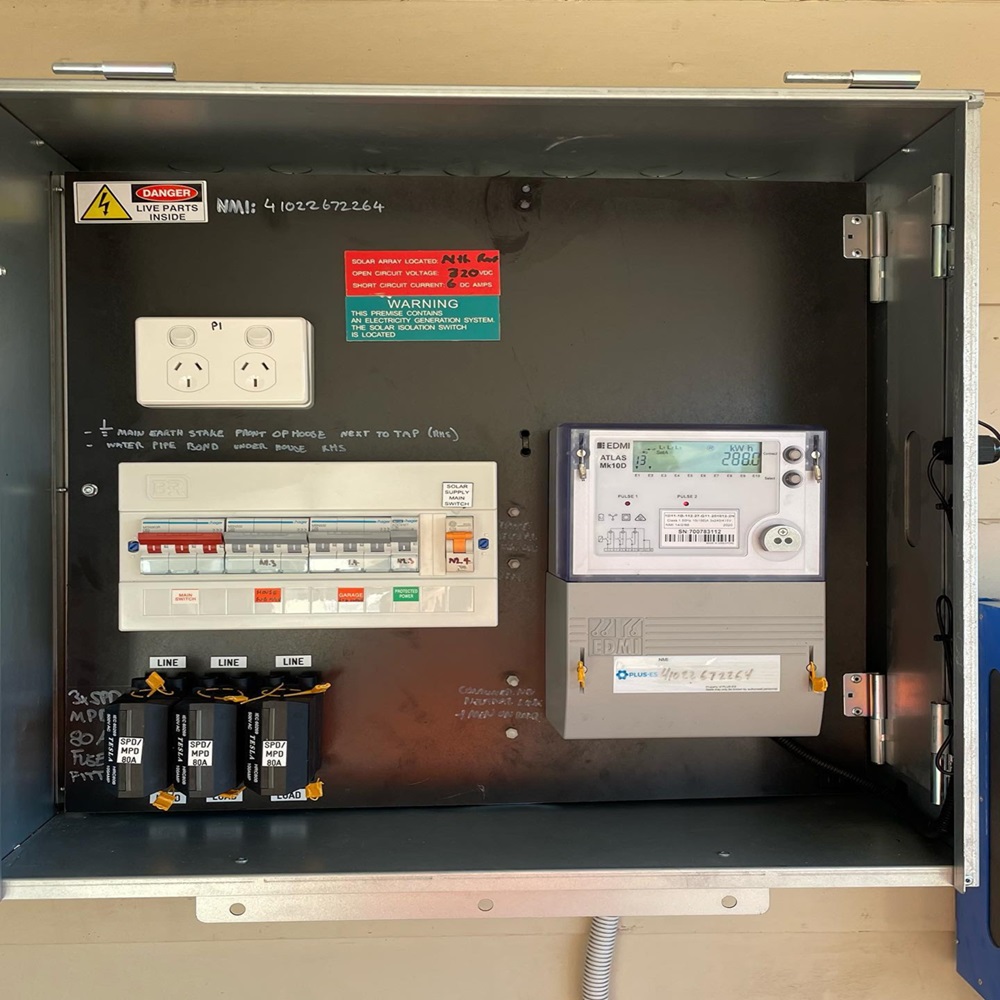
Protecting Your Central Coast Home: The Essential Switchboard Upgrade Guide
Every electrical appliance, light, and device in your Central Coast home relies on one critical piece of infrastructure working flawlessly behind the scenes. Your electrical switchboard orchestrates power distribution throughout your property whilst providing essential protection against faults that could otherwise cause fires or electrocution.
Yet this vital component often operates for decades without inspection, quietly aging whilst household electrical demands multiply and safety standards evolve beyond its original design capabilities.
The Silent Risks Hiding in Plain Sight
Switchboards don’t advertise their age or limitations through obvious warning labels. That panel installed when your home was built in 1982 might have been excellent technology for its era, but electrical requirements and safety understanding have transformed dramatically over the past four decades.
Older switchboards typically served households with basic appliances, minimal electronics, and power consumption fractions of what contemporary families demand. These systems often feature eight to twelve circuit positions adequate for simpler times but woefully insufficient for modern living with air conditioning, home offices, entertainment systems, and kitchen appliances consuming substantial power.
Safety technology has evolved beyond recognition since older switchboards were installed. Early systems provided basic overcurrent protection through fuses or simple circuit breakers without the sophisticated fault detection modern equipment offers. Today’s Residual Current Devices detect minute electrical leakage and disconnect power within milliseconds, preventing electrocution—protection unavailable in older installations.
Material degradation represents another insidious problem. Switchboard components experience constant thermal cycling as they heat and cool during normal operation. Over decades, this process weakens connections, degrades insulation, and creates fire hazards that visual inspection may not reveal until dangerous conditions develop.
According to the NSW Government’s electrical safety framework, outdated electrical installations contribute significantly to residential fires across the state. Proactive upgrades substantially reduce these risks whilst ensuring compliance with contemporary safety standards.
Decoding the Warning Messages
Your switchboard communicates problems through various symptoms that attentive property owners can recognise before serious incidents occur.
Circuit breakers that trip frequently signal capacity inadequacy or component deterioration. Whilst occasional trips during genuine overloads represent normal protective function, constant resets indicate underlying problems demanding professional assessment rather than continued inconvenience.
Unusual sounds from switchboard areas demand immediate attention. Buzzing, humming, crackling, or popping noises indicate electrical arcing, loose connections, or vibrating components creating serious fire hazards. These conditions typically worsen progressively until failures occur, making early intervention critical.
Visual warning signs require urgent professional response. Scorch marks around circuit breakers, discoloured or melted plastic components, or any burning smells near switchboards indicate dangerous overheating potentially leading to electrical fires. Never ignore these symptoms—they represent genuine emergencies requiring immediate electrician attention.
Hot switchboard components during normal operation reveal problems. Circuit breakers and connections shouldn’t feel excessively warm under routine loads. Heat indicates resistance from poor connections or undersized components struggling to handle current demands safely.
Lights flickering across multiple rooms often point towards switchboard issues rather than individual fixture problems. This symptom suggests unstable power distribution from loose connections, inadequate capacity, or degraded components within the switchboard requiring professional diagnosis and likely replacement.
Modern Protection Technology That Saves Lives
Contemporary switchboards incorporate multiple safety layers unavailable when older systems were designed and installed, delivering protection that justifies upgrade investments many times over.
RCD technology represents the single most significant safety advancement in residential electrical systems over recent decades. These devices continuously monitor current flow between active and neutral conductors, instantly detecting tiny imbalances indicating electricity flowing through unintended paths—potentially through people.
When RCDs detect fault currents as small as thirty milliamps, they disconnect power within approximately thirty milliseconds. This extraordinarily rapid response prevents electric shocks that could otherwise prove fatal, particularly in wet areas where electrocution risks increase substantially.
Current regulations require RCD protection for most household circuits. Multiple RCDs distributed across different circuit groups provide comprehensive protection whilst maintaining power to unaffected areas when individual devices trip, preventing entire homes losing electricity due to single circuit faults.
Modern circuit breakers offer more reliable, precise protection than traditional fuses whilst providing convenient reset functionality after trips. These devices respond specifically to overcurrent conditions, protecting circuits and connected equipment more effectively than older technology whilst eliminating inconvenient fuse replacement requirements.
Surge protection integrated into contemporary switchboards shields expensive electronics from voltage spikes. Lightning strikes, grid disturbances, and equipment failures can generate surges destroying computers, televisions, and smart home systems worth thousands of dollars. Built-in surge protective devices prevent this damage whilst extending equipment service lives.
Understanding the Professional Upgrade Journey
Quality electrical switchboard upgrades follow structured methodologies ensuring safety, compliance, and optimal long-term performance protecting your investment.
Comprehensive assessment initiates every professional upgrade project. Licensed electricians evaluate existing infrastructure capacity, identify code violations and safety concerns, assess actual electrical demand based on installed equipment, and discuss plans for future additions ensuring new switchboards address both current needs and reasonable future requirements.
Collaborative design consultation allows property owners to discuss priorities, concerns, and budget parameters. Electricians explain technical requirements whilst considering aesthetic preferences, financial constraints, and timeline expectations. This dialogue ensures final installations meet all regulatory standards whilst satisfying practical property requirements and owner preferences.
Network operator coordination represents critical planning when upgrades involve service capacity changes or metering modifications. Level 2 electricians manage these coordination requirements including formal applications, technical reviews, and scheduling ensuring efficient processes minimising disruption.
Installation work proceeds systematically after approvals and scheduling are complete. Existing switchboards are carefully disconnected with comprehensive circuit documentation preventing confusion. New switchboards are mounted securely and methodically wired with each circuit tested for correct connections, proper earthing, and adequate insulation before energisation.
Rigorous testing and certification conclude professional upgrades. RCD trip times are measured ensuring they respond within required timeframes. Insulation resistance testing confirms circuit integrity. Earth loop impedance measurements verify adequate fault current capacity enabling protection devices to operate correctly during electrical faults.
Upon completion, electricians issue Certificates of Compliance documenting installations meet Australian Standard AS/NZS 3000:2018 requirements. These certificates provide legal proof of compliant work and should be retained permanently as critical property electrical records.
Realistic Investment Expectations and Value Delivered
Switchboard upgrade costs vary based on numerous factors, but understanding typical investment ranges and value delivered helps with planning and decision-making.
Central Coast residential upgrades typically range between two thousand five hundred and six thousand dollars depending on system complexity, required capacity, component quality, existing infrastructure condition, and any necessary service modifications. Larger homes, complex configurations, or premium components naturally command higher pricing reflecting additional materials and labour.
This investment protects what matters most—your family’s safety and your property’s integrity. RCD protection prevents potentially fatal electric shocks whilst proper circuit protection dramatically reduces fire risks. These benefits alone justify upgrade costs when considering potential tragedy consequences.
Property value implications provide tangible financial returns beyond safety improvements. Contemporary home buyers expect modern, safe electrical systems as basic requirements. Documented switchboard upgrades with compliance certificates strengthen property appeal and support asking prices during sales, whilst outdated electrical infrastructure triggers price negotiations or failed inspections.
Ongoing operational savings accumulate through reduced maintenance requirements and prevented damage. Modern switchboards eliminate nuisance trips and component replacements whilst protecting expensive appliances and electronics from electrical faults and surges. Enhanced reliability reduces service call requirements saving both money and inconvenience.
Energy monitoring capabilities in advanced switchboards help identify consumption patterns and waste. This visibility supports energy efficiency improvements potentially reducing electricity bills whilst enabling informed decisions about appliance replacement, usage timing, and load management strategies.
Strategic Timing Maximising Convenience and Value
Thoughtful upgrade timing transforms disruptive electrical work into opportunities for comprehensive improvements whilst minimising inconvenience to households and businesses.
Coordinating with other renovations delivers efficiency and cost advantages. Scheduling switchboard work during kitchen remodels, bathroom updates, or room additions reduces total project costs through combined scheduling, shared site access, and coordinated electrical modifications. Electricians already engaged for renovation work can address switchboard upgrades without additional mobilisation charges.
Proactive replacement proves far less stressful than emergency response to failures. Switchboards that fail unexpectedly leave properties without power until electricians can respond and source replacement components. Planning ahead allows thoughtful scheduling, careful component selection, and comprehensive system improvements rather than hurried repairs executed under pressure.
Seasonal considerations affect convenience and comfort during temporary power outages. Mild weather when heating and cooling needs remain minimal makes power disconnection more tolerable. Alternatively, holiday periods when homes are unoccupied provide ideal timing for disruptive electrical work minimising impact on daily routines.
Financial planning benefits from advance scheduling. Spreading major home improvement costs across financial years or coordinating with bonus payments, tax refunds, or refinancing activities makes substantial investments more manageable financially whilst allowing quality component selection rather than budget-driven compromises.
Integration with Contemporary Home Systems
Modern switchboards offer capabilities extending beyond basic power distribution, supporting integration with technologies that enhance comfort, efficiency, and property functionality.
Smart home compatibility allows contemporary switchboards to communicate with automation systems through appropriate interfaces. This integration enables sophisticated control over lighting, climate, and appliance operation supporting energy optimisation and convenience features impossible with older switchboards.
Solar system integration demands appropriate switchboard configurations. Dedicated circuit positions, specialised protection devices, and proper metering arrangements all require consideration during upgrades if renewable energy adoption is planned or even contemplated. According to NECA, proper electrical infrastructure represents critical foundations for successful solar installations.
Battery storage systems present similar integration requirements as energy storage becomes increasingly accessible and attractive for Central Coast households. Switchboards must accommodate these technologies through appropriate circuit protection, transfer switching capabilities, and monitoring interfaces.
Electric vehicle charging infrastructure draws substantial power requiring dedicated circuits and sometimes service capacity upgrades. Planning for EV charging during switchboard upgrades ensures electrical systems can support this rapidly growing technology without further modifications as vehicle adoption accelerates.
Avoiding Costly Upgrade Mistakes
Several common pitfalls trap unwary property owners during switchboard projects. Understanding these errors helps you avoid expensive consequences and disappointing outcomes.
Inadequate capacity planning represents perhaps the most frequent oversight. Upgrading switchboards to barely meet current needs without considering future requirements often necessitates premature additional upgrades. Discuss anticipated changes including solar installations, electric vehicle charging, workshop equipment, or additional living spaces ensuring adequate capacity from initial installation.
Selecting contractors based solely on price frequently proves penny-wise but pound-foolish. The cheapest quotes often reflect cut corners, substandard components, or hidden costs emerging during projects. Quality electrical work justifies appropriate pricing, and reputable contractors provide detailed quotes explaining exactly what you’re purchasing and why.
Neglecting credential verification creates serious risks. Only licensed electricians can legally perform switchboard work, and network-connected modifications require Level 2 ASP accreditation. Unlicensed work creates liability issues, invalidates insurance coverage, and often requires expensive remediation when eventually discovered during property sales or inspections.
Failing to secure and retain proper documentation leaves you vulnerable. Certificates of Compliance prove regulatory compliance protecting property values and supporting insurance claims. Always verify your contractor will provide complete documentation and retain these records permanently as part of your property’s essential electrical history.
The Documentation Protecting Your Investment
Professional switchboard upgrades generate critical paperwork extending value far beyond project completion. Understanding and maintaining this documentation protects your investment throughout ownership and during property transactions.
Compliance certificates verify installations meet Australian Standard requirements and regulatory specifications. These documents provide legal proof of compliant work potentially demanded during property sales, insurance claims following electrical incidents, or regulatory inspections by authorities.
Detailed circuit schedules identify which breakers control specific areas and appliances. This documentation simplifies troubleshooting and future modifications whilst helping occupants understand their electrical systems. Quality contractors provide clear, comprehensive schedules with logical circuit organisation and proper labelling.
Component specifications and warranty documentation protect against defects and premature failures. Understanding warranty terms and maintaining complete records ensures you can access manufacturer and contractor warranties if components fail or workmanship proves deficient within coverage periods.
Photographic documentation before, during, and after work provides valuable visual records. These images demonstrate upgrade scope and quality supporting insurance claims, property sales, and future renovation planning whilst proving electrical infrastructure improvements clearly to prospective buyers or assessors.
Moving Forward with Professional Guidance
Electrical switchboard upgrades represent significant investments in your property’s safety, functionality, and value. Understanding warning signs, modern technologies, professional processes, and realistic costs empowers informed decisions protecting your family and investment.
Niche Electrical and Solar has earned Central Coast residents’ trust through fifteen years of professional electrical service delivery. Their team combines comprehensive technical capabilities with genuine commitment to customer satisfaction, ensuring every switchboard upgrade exceeds expectations whilst meeting all regulatory requirements and safety standards.
Their service portfolio extends beyond switchboard work to comprehensive electrical infrastructure solutions. Whether you need Level 2 ASP services, private pole installations, three-phase power upgrades, or metering solutions, they deliver integrated services addressing complete property electrical requirements. Explore their full capabilities on their services page.
Don’t wait for electrical emergencies to force hasty switchboard decisions under pressure. Contact Niche Electrical and Solar today at 0404 285572 or visit their website for comprehensive electrical assessment and transparent advice. Their experienced, locally-based team provides the expertise and service quality your Central Coast property deserves for critical electrical infrastructure upgrades ensuring safety, compliance, and reliable performance for decades to come.
