

Is Your Central Coast Property Ready for an Electrical Switchboard Upgrade?
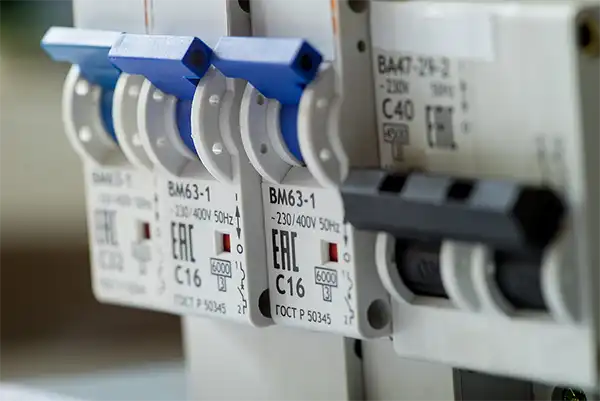
The electrical switchboard serves as your property’s nerve centre, controlling power distribution to every circuit and providing critical protection against electrical hazards. Yet this vital component often receives minimal attention until serious problems emerge or major renovations necessitate upgrades.
For Central Coast property owners, understanding when and why switchboard upgrades become necessary protects families, preserves property values, and ensures electrical systems meet contemporary safety standards and performance expectations.
Evolution of Switchboard Technology
Electrical switchboards have transformed dramatically over recent decades. Properties built during the 1970s and 1980s typically feature switchboards designed for households with far fewer electrical devices than modern families use daily. These older systems often struggle to safely distribute power to contemporary appliances, entertainment systems, and technology infrastructure.
Safety technology has advanced significantly since older switchboards were installed. Early systems relied on basic overcurrent protection through fuses or simple circuit breakers. Modern switchboards incorporate sophisticated protection devices including Residual Current Devices that detect minute electrical faults and disconnect power within milliseconds, preventing potentially fatal electric shocks.
Materials and construction methods have also evolved. Older switchboards sometimes contain components that degrade over time or even hazardous materials like asbestos in extreme cases. Contemporary units use non-flammable materials with improved thermal management, reducing fire risks substantially.
Capacity planning reflects changing household energy demands. Older switchboards might provide eight to twelve circuit positions, whilst modern homes often require twenty or more circuits to properly separate and protect different areas and appliance types. This expansion supports both safety and functionality for current lifestyles.
Critical Warning Indicators
Several symptoms clearly indicate your Central Coast property needs switchboard attention. Circuit breakers that trip frequently signal inadequate capacity or deteriorating components. Whilst occasional trips protect against genuine overloads, constant resets suggest underlying problems requiring professional assessment.
Lights that flicker across multiple rooms often indicate switchboard issues rather than individual fixture problems. This symptom points towards unstable connections or insufficient supply capacity. Similarly, dimming lights when major appliances start running reveals inadequate circuit sizing or degraded switchboard components.
Audible warning signs demand immediate attention. Buzzing, humming, or crackling sounds from the switchboard area indicate electrical arcing or loose connections. These conditions create serious fire hazards requiring urgent professional intervention. Never ignore unusual sounds from electrical equipment.
Visual inspection reveals obvious problems requiring immediate action. Scorch marks on or around circuit breakers, discoloured or melted plastic components, or any burning smells near your switchboard represent dangerous conditions. These signs indicate overheating that could lead to electrical fires, demanding immediate professional assessment and likely complete switchboard replacement.
Physical switchboard damage from impacts, water intrusion, or vermin activity also necessitates upgrades. Compromised enclosures expose live components, creating serious safety hazards that cannot be adequately addressed through simple repairs.
Regulatory Drivers for Upgrades
Australian electrical regulations evolve continuously to incorporate new safety knowledge and technological advances. Properties undergoing major renovations or alterations must bring entire electrical systems up to current standards, often triggering comprehensive switchboard upgrades even when original project scope didn’t include electrical work.
The NSW Government’s electrical compliance requirements mandate specific safety features for all new electrical work. RCD protection must cover most household circuits, particularly those serving power outlets and lighting in wet areas. Installing even a single new power point may require full switchboard upgrades if existing infrastructure lacks required safety devices.
Defect notices issued by electricity distributors or regulatory authorities require prompt corrective action. These notices identify specific safety concerns or compliance failures that must be addressed within designated timeframes. Switchboard deficiencies frequently appear in such notices, particularly for older properties.
Building Code requirements affect property renovations and additions. Extensions, granny flats, or substantial modifications trigger electrical compliance reviews. Outdated switchboards often fail current standards, necessitating upgrades as conditions for development approval.
Capacity Planning for Modern Demands
Contemporary households place unprecedented demands on electrical infrastructure. Air conditioning systems, particularly ducted units serving entire homes, draw substantial power requiring dedicated circuits with appropriate protection. Pool pumps, electric hot water systems, and home offices with multiple computers all add to total electrical load.
Electric vehicle charging represents a significant new demand. Level 2 home chargers can draw seven to eleven kilowatts—equivalent to running several air conditioners simultaneously. Switchboards must provide adequate capacity and appropriate circuit protection for safe EV charging installation.
Kitchen renovations frequently necessitate switchboard upgrades. Modern induction cooktops, multiple ovens, and high-powered appliances require substantial circuit capacity. Older switchboards often cannot safely accommodate these installations without comprehensive upgrades.
Solar panel systems and battery storage create unique switchboard requirements. These installations need appropriate circuit positions, often with specialised protection devices. Many older switchboards lack physical space or suitable configurations for solar integration, requiring upgrades before renewable energy systems can be installed.
Modern Safety Enhancements
RCD technology represents the most significant safety advancement in residential electrical systems. These devices monitor current flow continuously, detecting tiny imbalances indicating earth leakage faults. When faults occur, RCDs disconnect power in approximately thirty milliseconds—far faster than human reaction time—preventing potentially lethal electric shocks.
Current regulations typically require RCD protection for circuits serving power outlets throughout the home and lighting circuits in bathrooms, laundries, and outdoor areas. Modern switchboard design often incorporates multiple RCDs across different circuit groups, providing comprehensive protection whilst maintaining power to unaffected areas when individual RCDs trip.
Arc fault detection represents emerging protection technology gaining traction in Australian installations. These devices identify the characteristic electrical signatures of dangerous arcing, disconnecting power before arcs ignite fires. Whilst not yet mandated universally, arc fault protection offers valuable additional safety for properties at higher fire risk.
Surge protection has grown increasingly important as homes fill with sensitive electronics. Built-in surge protective devices in modern switchboards shield computers, televisions, smart home systems, and other equipment from voltage spikes caused by lightning strikes or grid disturbances. This protection prevents expensive equipment damage whilst extending device lifespan.
The Professional Upgrade Process
Quality switchboard upgrades begin with comprehensive electrical assessments. Licensed electricians evaluate existing infrastructure capacity, identify code violations, and determine actual electrical demand based on installed appliances and planned additions. This thorough analysis ensures new switchboards properly address both current needs and reasonable future requirements.
Design consultation allows property owners to discuss priorities and concerns. Electricians explain technical requirements whilst considering aesthetic preferences, budget constraints, and timeline expectations. This collaborative approach ensures final installations meet all technical standards whilst satisfying practical property requirements.
Supply coordination with electricity distributors represents a critical planning element. Switchboard work requires temporary power disconnection, necessitating formal isolation applications and scheduling with network operators. Experienced Level 2 electricians manage these coordination requirements, minimising disruption through efficient planning.
Installation work follows systematic procedures ensuring safety throughout the process. Existing switchboards are carefully disconnected with all circuits documented. New switchboards are mounted and systematically wired, with each circuit tested for correct polarity, continuity, and earth connection quality before energisation.
Comprehensive testing verifies every safety device functions correctly. RCD trip times are measured, ensuring they respond within required timeframes. Insulation resistance testing confirms circuit integrity. Earth loop impedance measurements verify adequate fault current capacity for proper protection device operation.
Documentation and Certification
Upon completion, electricians issue Certificates of Compliance for Electrical Work documenting that installations meet Australian Standard AS/NZS 3000:2018 requirements. These certificates provide legal proof of compliant work and should be retained permanently as part of property electrical records.
Detailed circuit schedules identify what each circuit breaker controls, simplifying future troubleshooting and modifications. Quality electricians provide clear labelling and documentation helping property owners understand their electrical systems.
Warranty documentation protects your investment. Reputable contractors offer warranties covering both workmanship and materials, typically ranging from twelve months to several years depending on components and labour scope. Understanding warranty terms and maintaining records ensures you can access these protections if issues arise.
Product certifications and compliance marks on installed components verify quality. Genuine electrical equipment carries approval marks demonstrating conformity with Australian Standards. Professional electricians use only certified components from reputable suppliers, avoiding substandard products that compromise safety and reliability.
Cost Considerations and Value Proposition
Switchboard upgrade costs reflect numerous factors including system complexity, required capacity, component quality, and existing infrastructure condition. Central Coast property owners typically invest between two thousand five hundred and five thousand dollars for residential upgrades, with larger or more complex installations potentially costing more.
This investment delivers substantial value extending well beyond immediate compliance. Modern switchboards reduce ongoing maintenance needs through reliable components and proper circuit protection. They prevent nuisance trips whilst protecting expensive appliances and electronics from electrical faults and surges.
Safety improvements protect what matters most. RCD protection prevents electrocution injuries whilst proper overcurrent protection reduces fire risks. These benefits alone justify upgrade costs, providing priceless peace of mind for families.
Property value implications deserve consideration. Contemporary home buyers expect modern, safe electrical systems. Documented switchboard upgrades with compliance certificates strengthen property appeal during sales whilst outdated electrical infrastructure often triggers price negotiations, extended market times, or failed building inspections.
Energy efficiency gains sometimes accompany upgrades. Modern monitoring capabilities help identify energy waste, whilst proper circuit organisation supports effective load management. Some switchboards integrate with home automation systems, enabling sophisticated energy optimisation that reduces ongoing electricity costs.
Timing Your Upgrade Strategically
Planning switchboard upgrades during other renovations maximises efficiency and minimises disruption. Coordinate electrical work with kitchen remodels, bathroom updates, or room additions to reduce total project costs through combined scheduling and shared access requirements.
Proactive upgrading proves far less stressful than emergency replacements. Switchboards that fail unexpectedly leave properties without power until electricians can respond and source components. Planning ahead allows proper scheduling, thoughtful component selection, and comprehensive system improvements rather than hurried repairs under pressure.
Seasonal considerations affect project convenience. Scheduling work during mild weather when heating and cooling needs are minimal makes temporary power outages more tolerable. Holiday periods when homes are unoccupied can provide ideal timing for disruptive electrical work.
Consider market conditions when budgeting upgrades. Electrician availability and material costs fluctuate with construction activity levels. Off-peak periods might offer better pricing or faster scheduling than busy seasons.
Selecting Your Electrical Partner
Switchboard upgrades demand high-level expertise justifying careful contractor selection. Verify electrical licencing through Fair Trading registers, ensuring candidates hold current unrestricted licences. Level 2 Accredited Service Provider credentials become necessary when work involves service connections or network interactions.
Local experience provides valuable advantages. Electricians familiar with Central Coast conditions, local network operators, and regional council requirements navigate approval processes efficiently whilst applying knowledge of area-specific challenges to project planning.
Professional communication indicates how projects will proceed. Quality electricians explain technical requirements clearly, provide itemised quotes with all costs disclosed, and set realistic expectations for timelines and potential disruptions. They welcome questions and provide thorough answers demonstrating genuine expertise.
Insurance coverage protects all parties. Verify contractors maintain current public liability insurance and workers compensation as required. This coverage safeguards you from liability if accidents occur during projects whilst demonstrating contractor professionalism.
Niche Electrical and Solar has earned Central Coast residents’ trust through fifteen years of professional electrical service delivery. Their team combines comprehensive technical capabilities with genuine commitment to customer satisfaction, ensuring every switchboard upgrade exceeds expectations.
Their service range extends beyond switchboard work to encompass complete electrical infrastructure solutions. From three-phase power upgrades and private pole installations to metering services and overhead cable work, they address all property electrical requirements. Discover their complete capabilities on their services page.
Moving Forward Confidently
Understanding electrical switchboard upgrades empowers property owners to make informed decisions protecting families, preserving investments, and ensuring compliance with safety standards. Whether addressing current problems or planning future requirements, professional guidance helps navigate technical complexities whilst achieving optimal outcomes.
Don’t let outdated switchboards compromise your property’s safety or functionality. Contact Niche Electrical and Solar today for comprehensive electrical assessment and transparent advice. Call 0404 285572 or visit their website to schedule a consultation. Their experienced, locally-based team delivers the expertise Central Coast properties deserve for critical electrical infrastructure upgrades.
