

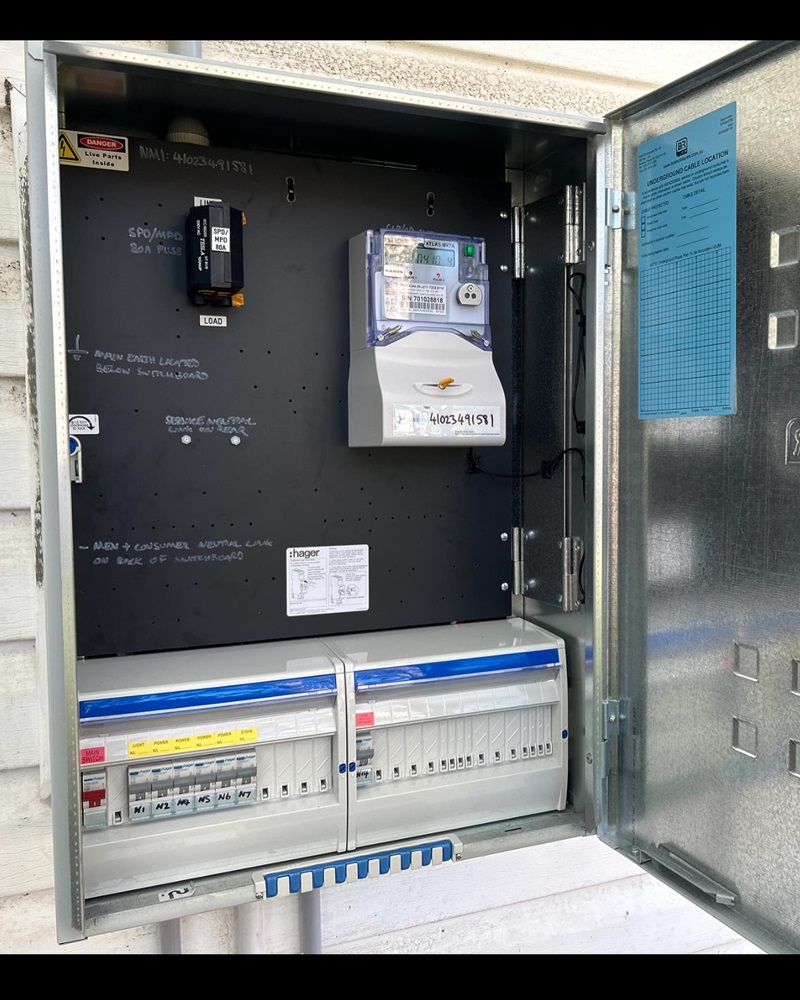
How Level 2 Electricians Keep Your Central Coast Property Safe and Connected
Electrical work isn’t a one-size-fits-all profession. Whilst general electricians handle the majority of household electrical tasks brilliantly, certain critical jobs require specialists with additional qualifications and authorisations that go beyond standard licensing.
Level 2 electricians fill this essential niche, bridging the gap between your property’s internal electrical system and the broader power distribution network. For Central Coast homeowners and businesses, understanding when you need these specialists—and why their unique credentials matter—can save significant time, money, and potential safety hazards.
The Accreditation That Makes the Difference
Becoming a Level 2 electrician requires far more than completing standard electrical training. These professionals must achieve Accredited Service Provider status through rigorous additional coursework, practical assessments, and ongoing compliance with strict industry oversight.
This ASP accreditation grants legal authority to work directly on electricity distribution networks—territory that standard electricians cannot legally enter. The distinction isn’t merely administrative; it reflects genuine expertise in managing high-voltage infrastructure, coordinating with network operators, and ensuring installations integrate safely with the broader electrical grid.
According to <a href=”https://www.neca.asn.au/” target=”_blank” rel=”noopener”>NECA</a> (the National Electrical and Communications Association), ASP electricians undergo continuous professional development and regular audits to maintain their accreditation. This ongoing accountability ensures they remain current with evolving safety standards and technical requirements.
Network operators including Ausgrid, Endeavour Energy, and Essential Energy maintain strict oversight of Level 2 electricians working within their service territories. They verify credentials, audit work quality, and can revoke authorisations if standards slip. This multi-layered accountability structure protects consumers whilst maintaining grid reliability across the Central Coast.
Real-World Scenarios Demanding ASP Expertise
New home construction presents the most obvious scenario requiring Level 2 services. Before you can turn on a single light, someone must physically connect your new building to the street’s electrical supply. Only accredited electricians can legally perform this critical link between network infrastructure and private property.
Major renovations frequently trigger ASP requirements that catch homeowners by surprise. Adding a granny flat, expanding living spaces, or installing high-powered equipment like ducted air conditioning often exceeds your existing service capacity. Upgrading from single-phase to three-phase power requires network operator approval and connection modifications that standard electricians cannot perform.
Receiving correspondence from your electricity distributor about infrastructure defects creates another common ASP scenario. These notices identify safety concerns or compliance failures requiring prompt remediation. Whether addressing deteriorating poles, outdated service connections, or insufficient earthing, only Level 2 electricians possess the credentials necessary for compliant repairs.
Solar panel installations increasingly drive demand for ASP services. Whilst standard electricians can handle rooftop mounting and internal wiring, connecting solar inverters to the grid and modifying metering arrangements requires Level 2 expertise. The <a href=”https://www.nsw.gov.au/housing-and-construction/compliance-and-regulation/electricians” target=”_blank” rel=”noopener”>NSW Government’s electrical compliance framework</a> mandates proper authorisation for all network-connected renewable energy systems.
Electric vehicle charging infrastructure represents a rapidly growing application. High-powered home chargers often necessitate service upgrades, dedicated circuits, and sometimes three-phase power installations—all falling within ASP scope. Planning EV charging capability requires early consultation with Level 2 professionals to ensure adequate electrical capacity.
Breaking Down the Classification System
ASP accreditation isn’t monolithic; it operates through multiple classifications authorising specific work types. Understanding these distinctions helps property owners verify their chosen electrician holds appropriate credentials for their particular project.
Class 2A covers disconnection and reconnection services at connection points—essential for temporary power interruptions during renovations or when relocating metering equipment. This classification also addresses consumer mains work and certain metering installations performed according to distributor specifications.
Class 2C authorises overhead service line work, including installation, modification, and repair of aerial cables running from network poles to private properties. Electricians with this classification can legally work with overhead conductors whilst maintaining proper safety protocols and clearance requirements.
Different classes address underground services, high-voltage installations, and specialised equipment. Not every Level 2 electrician holds every classification, making credential verification important when planning specific projects. Reputable contractors readily discuss their accreditations and confirm they possess authorisations appropriate for your work.
Safety Standards Beyond Standard Practice
Working with distribution network infrastructure involves substantially greater hazards than typical household electrical work. Service cables carry higher voltages and fault currents capable of causing catastrophic injuries. Level 2 training emphasises these elevated risks whilst instilling rigorous safety protocols.
Isolation procedures form the bedrock of safe network work. Before touching any network-connected equipment, electricians must verify supply disconnection through approved testing methods. This verification prevents potentially lethal contact with live conductors carrying hundreds of volts.
Working near overhead lines creates proximity hazards even without direct contact. Electrical arcing can occur when conductive objects approach energised cables too closely. ASP training covers minimum approach distances and appropriate tools designed specifically for work near live overhead infrastructure.
Earth potential differences during fault conditions represent another serious but often overlooked hazard. When electrical faults occur, ground potential at different locations can vary by hundreds of volts. Level 2 electricians understand these phenomena and employ equipotential bonding and safe positioning to protect themselves whilst working.
The Compliance Documentation Trail
ASP work generates important paperwork that property owners should understand and retain. Certificates of Compliance for Electrical Work provide legal proof that installations meet Australian Standard AS/NZS 3000:2018 requirements. These documents verify compliant work and may be demanded during property sales, insurance claims, or regulatory inspections.
Network operator approval documents confirm your installation satisfies distributor technical standards and has received authorisation for connection. These approvals demonstrate proper integration with the broader distribution network and compliance with utility-specific requirements.
Work completion notifications formally advise network operators that projects have concluded and systems await energisation. These communications trigger final inspections and supply connection, transitioning projects from construction phase to operational status.
Maintaining comprehensive documentation protects your interests multiple ways. It proves regulatory compliance during property transactions, supports insurance claims if electrical incidents occur, and provides baseline records for future modifications or troubleshooting.
Distinguishing Quality ASP Contractors
Not all Level 2 electricians deliver equivalent service quality or customer experience. Several factors distinguish exceptional contractors from merely adequate ones, helping you select partners who’ll deliver outstanding results.
Transparent communication ranks among the most reliable quality indicators. Superior electricians explain technical requirements clearly without condescension, provide detailed quotes itemising all costs, and set realistic expectations for timelines and potential disruptions. They welcome questions and provide thorough answers demonstrating genuine expertise rather than evasive generalities.
Local experience delivers practical advantages that generic qualifications cannot match. Electricians familiar with Central Coast conditions understand local soil characteristics affecting pole installations, weather patterns influencing overhead service design, and specific network operator requirements varying between Ausgrid, Endeavour Energy, and Essential Energy territories.
Established relationships with regulatory authorities streamline approval processes. Contractors who regularly work with local councils and network operators navigate bureaucratic requirements efficiently, preventing delays that frustrate projects and escalate costs unnecessarily.
Insurance coverage protects all parties involved. Reputable Level 2 electricians maintain comprehensive public liability insurance and workers compensation coverage meeting ASP scheme requirements. This protection safeguards property owners from liability whilst demonstrating contractor professionalism and financial stability.
Investment Value and Long-Term Benefits
Level 2 electrical work commands premium pricing compared to standard electrical services, reflecting the additional training, credentials, and liability involved. However, this investment delivers substantial value extending far beyond immediate project completion.
Proper network connections prevent recurring electrical problems that would otherwise generate repeated service calls and accumulating costs. Amateur work or unlicensed contractors often create issues requiring expensive remediation when eventually discovered during inspections or property sales.
Compliance with current regulations protects property values and prevents legal complications. Work performed without proper authorisation creates significant liability and may require complete replacement when identified. This remediation typically costs far more than hiring qualified contractors initially.
Safety benefits provide perhaps the most compelling value proposition. Professional ASP work reduces fire risks, prevents electrocution hazards, and ensures electrical infrastructure withstands environmental stresses without dangerous failures. These protections prove literally priceless when considering potential consequences of electrical incidents.
Planning Ahead for Future Requirements
Electrical infrastructure decisions made today influence your property’s capabilities for decades. Thoughtful planning during ASP projects can accommodate future needs cost-effectively, avoiding premature upgrades as requirements evolve.
Service capacity planning should consider anticipated additions beyond immediate needs. If you might eventually install solar panels, add workshop equipment, or charge electric vehicles, discuss these possibilities with your electrician. Slightly oversizing initial installations costs little extra but prevents costly upgrades later.
Switchboard design affects future modification ease. Modern switchboards with additional spare circuit positions facilitate future additions without requiring complete replacements. This forward planning proves especially valuable for growing families or evolving business operations.
Underground conduit installations can incorporate spare capacity for future circuits. Running larger conduits initially or installing multiple conduits costs marginally more during initial construction but dramatically simplifies future cable additions compared to excavating and installing new conduits later.
Coordinating Multiple Service Providers
Complex projects often involve multiple specialists beyond electrical contractors. Builders, plumbers, telecommunications technicians, and solar installers may all require coordination to prevent conflicts and ensure efficient project execution.
Early electrical consultation prevents costly redesigns. Involving Level 2 electricians during initial planning identifies electrical requirements and constraints before other trades commit to incompatible designs. This proactive approach saves time and money whilst ensuring optimal outcomes.
Service entry locations affect multiple trades. Coordinating electrical service entry points with plumbing, drainage, and telecommunications infrastructure prevents conflicts and maintains appropriate clearances between different services.
Scheduling coordination minimises site disruption and expedites completion. When electricians, builders, and other trades sequence their work efficiently, projects progress smoothly without trades waiting for others or reworking completed installations to accommodate subsequent trades.
Common Misconceptions About Level 2 Services
Several myths about ASP electricians persist despite being demonstrably false. Understanding these misconceptions helps property owners make informed decisions without being misled by outdated information or incorrect assumptions.
Some people believe any electrician can perform network-connected work if they’re careful. This dangerous misconception ignores both legal requirements and technical complexities. Only properly accredited Level 2 electricians can legally work on distribution infrastructure, and attempting such work without credentials creates serious liability and safety risks.
Another common myth suggests Level 2 services always cost dramatically more than standard electrical work. Whilst ASP services command appropriate premiums reflecting additional expertise and credentials, costs remain reasonable for the value delivered. Many projects cost less than homeowners fear, particularly when compared against potential consequences of improper work.
Some property owners assume their standard electrician can “figure out” network requirements or coordinate with distributors on their behalf. Whilst well-intentioned, standard electricians lack the authorisations, technical knowledge, and established relationships necessary for efficient network operator coordination. Using appropriately qualified Level 2 professionals from the outset prevents costly delays and complications.
Making Your Connection
Understanding Level 2 electricians empowers Central Coast property owners to recognise when these specialists become necessary and select qualified contractors delivering safe, compliant, efficient outcomes. Whether establishing new connections, upgrading existing infrastructure, or addressing compliance requirements, professional ASP expertise ensures projects succeed.
Niche Electrical and Solar delivers comprehensive Level 2 services backed by fifteen years of industry experience and genuine commitment to customer satisfaction. Their fully accredited team combines technical excellence with local knowledge, navigating regulatory complexities whilst ensuring your electrical infrastructure meets both current needs and future requirements.
Beyond network connection work, their capabilities encompass complete electrical solutions. From switchboard upgrades and metering installations to private pole work and overhead services, they address all electrical infrastructure requirements. Visit their services page to explore their comprehensive offerings.
Don’t risk your property’s electrical safety or regulatory compliance with inadequately qualified contractors. Contact Niche Electrical and Solar today at 0404 285572 or through their contact page for professional Level 2 electrical services. Their friendly, experienced team provides transparent quotes, expert advice, and quality workmanship delivering complete peace of mind for your critical electrical infrastructure needs.
